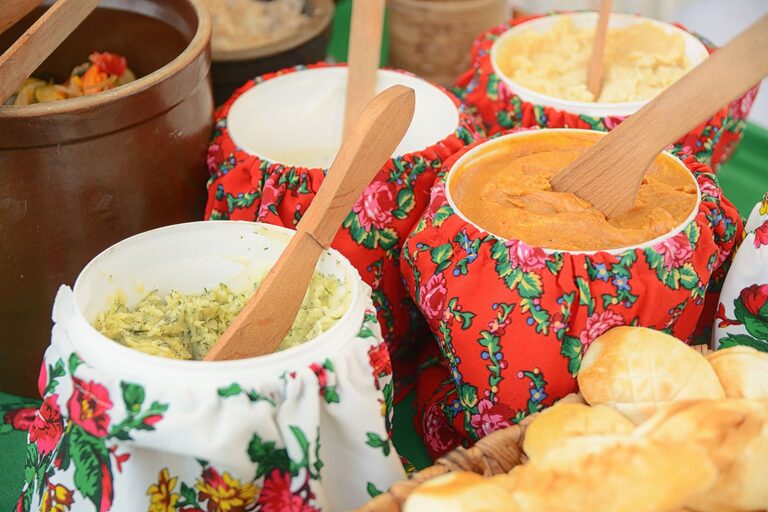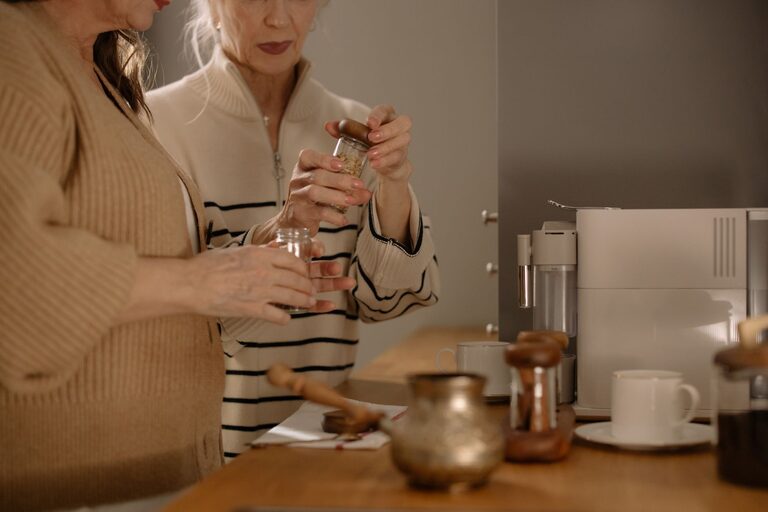

Recipe swap gatherings are becoming a popular way for women over 65 to connect, share cooking ideas, and enjoy time together. These events are simple by design: each guest brings a favorite recipe, a prepared dish, or both. The group then samples the food, exchanges tips, and talks about the memories behind each recipe.
While recipe swaps have existed for years, many communities are giving them fresh energy through neighborhood groups, libraries, senior centers, faith communities, and informal circles of friends. The gatherings appeal to people who enjoy cooking, but they also welcome anyone who simply wants to meet others and share a good conversation.
More Than a Collection of Recipes
At first glance, a recipe swap may seem like an activity focused only on food. In practice, it often becomes a social occasion with several benefits.
A recipe can tell a story about a family tradition, a favorite holiday, a memorable trip, or a creative solution discovered in the kitchen. When guests explain why a dish matters to them, the group learns more about one another.
These gatherings can also provide:
– A relaxed reason to get together
– A chance to discover new meal ideas
– Opportunities to share cooking shortcuts
– A welcoming activity for new members of a community
– Conversation across different backgrounds and experiences
– A way to preserve family recipes and personal memories
The food may bring people through the door, but friendship and connection often keep them coming back.
Why Recipe Swaps Appeal to Women Over 65
Many women over 65 have spent decades preparing meals for family, friends, and community events. They often have a deep collection of practical knowledge, from making a meal stretch to adapting a recipe for different tastes. A recipe swap gives them a place to share that experience without turning the gathering into a formal class.
The format is also flexible. Guests can bring a treasured family recipe, a simple weeknight dish, a baked treat, or a new recipe they recently tried. There is no need for everyone to have the same cooking style or level of experience.
For some participants, the gatherings offer a way to maintain familiar traditions. For others, they provide an opportunity to try something different. A longtime baker may learn a simple vegetable dish, while someone who prefers easy meals may discover a new dessert to prepare for guests.
The Social Side of the Gathering
Regular social contact can become more difficult after retirement, a move, or a change in family routines. Recipe swaps create a dependable event that people can look forward to each month or season.
The setting is usually casual. Guests may sit around a kitchen table, a community room, or a library meeting space. The conversation can move naturally between recipes, local events, books, gardening, travel, and everyday life.
A recipe swap also makes it easier for quieter participants to join in. Bringing a dish or recipe provides an immediate topic of conversation. Guests do not have to arrive with a planned speech or know everyone in advance.
To make the gathering comfortable for all, organizers can:
– Use a round or smaller table arrangement
– Leave plenty of time for conversation
– Avoid requiring every guest to speak at length
– Offer seating with easy access
– Provide name tags for new participants
– Keep the schedule relaxed and welcoming
The goal is not to create a competition. It is to create a shared experience.
Different Ways to Organize a Recipe Swap
There is no single right format. Groups can choose an arrangement that fits their space, schedules, and interests.
The Classic Recipe Exchange
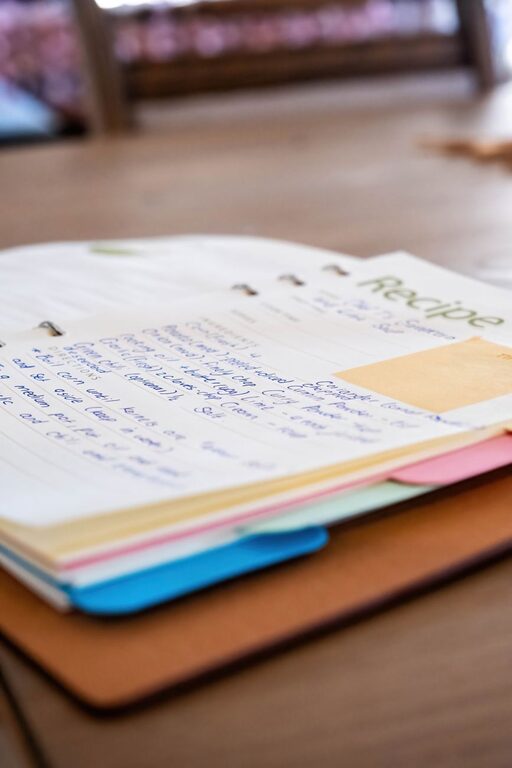
Each person brings several copies of one recipe. Guests place the recipes on a table and take home a selection from others. If food is included, participants may bring a small sample for everyone to taste.
This format works well for groups that want to build a personal recipe collection over time.
The Themed Gathering
A theme gives the event a clear focus. Possible themes include:
– Favorite breakfast dishes
– Family desserts
– One pot meals
– Summer produce
– Holiday baking
– Recipes with five ingredients
– Comfort foods
– Meals for sharing with guests
Themes can encourage creativity while still leaving plenty of room for personal choices.
The Memory Table
For this version, each guest brings a recipe connected to a special memory. The recipe might come from a parent, grandparent, friend, or former neighbor. Participants can share the story if they wish, and the group can create a booklet of the recipes and memories.
This approach emphasizes personal history as much as cooking.
The Recipe Demonstration
One or two guests demonstrate a simple technique, such as preparing a salad dressing, shaping biscuits, or organizing ingredients for a quick meal. Demonstrations should remain informal and easy to follow.
The focus is on sharing ideas rather than teaching a formal class.
Keeping the Event Simple
A successful recipe swap does not require an elaborate menu or expensive supplies. Clear expectations help guests feel prepared and prevent unnecessary work.
An invitation can explain:
– The date, time, and location
– Whether guests should bring food, recipes, or both
– How many recipe copies to make
– The theme, if there is one
– Whether containers are needed for leftovers
– Any food preferences the group should know about
It is helpful to remind guests that store-bought items and very simple recipes are welcome. The purpose is participation, not performance.
Organizers can also provide basic supplies, including pens, recipe cards, labels, serving utensils, and small plates. Each dish should be labeled with its name and a short list of main ingredients. This makes it easier for guests to choose what they would like to sample.
Preserving Recipes for the Future
One of the most enjoyable parts of a recipe swap is creating a shared collection. Over several gatherings, the group can assemble a small cookbook or digital folder.
A community recipe book might include:
– The recipe title
– The contributor’s name
– A short story or note
– Preparation tips
– Suggested occasions for serving the dish
– A photograph, when available
Printed copies can be shared at the end of the year, or members can keep an ongoing digital collection. Some groups may enjoy creating a themed booklet for a fundraiser, community event, or local organization.
Preserving recipes in this way helps keep everyday knowledge from being forgotten. It also gives participants a meaningful record of the relationships formed through the gatherings.
Making Everyone Feel Welcome
Recipe swaps are strongest when they make room for different preferences, abilities, and backgrounds. Not everyone has the same kitchen equipment, cooking experience, or interest in preparing food.
A welcoming group can offer several ways to participate. Guests might bring a handwritten recipe, contribute serving supplies, share a cooking story, or help organize the table. People who do not cook often may still have useful ideas, family traditions, or favorite foods to contribute.
The best gatherings are built around curiosity and kindness. There is no need to compare recipes or decide whose dish is best. Each contribution adds something different to the table.
A Tradition With Room to Grow
Recipe swap gatherings are growing because they combine familiar pleasures with meaningful connection. They give women over 65 a practical, enjoyable way to share knowledge while building new friendships and maintaining old traditions.
Whether held in a private home, community room, or local organization, these events can remain simple and affordable. A few recipes, a little food, and an open invitation may be all that is needed to begin.
Over time, a recipe swap can become more than a monthly activity. It can turn into a trusted circle where stories are remembered, cooking ideas are exchanged, and everyone has a place at the table.