Community cookbooks are finding a new place in kitchens, libraries, schools, and local markets. Once associated with church groups, neighborhood clubs, and school fundraisers, these collections are being revived by people who want to preserve more than instructions for preparing food. They also capture family stories, local history, seasonal customs, and the shared identity of a community.
Senior women are playing an important role in this revival. Many have collected recipes for decades, learned cooking techniques from parents and grandparents, or contributed to earlier editions of community cookbooks. Today, they are helping organize recipe drives, record oral histories, teach traditional methods, and guide younger residents through the process of creating new collections.
Why Community Cookbooks Matter
A community cookbook is more than a list of dishes. It is often a snapshot of everyday life at a particular time.
Recipes can reveal:
– Which ingredients were easy to find locally
– How families celebrated holidays and milestones
– What foods were prepared for large gatherings
– How people adapted recipes during busy or challenging periods
– Which cooking traditions were passed between generations
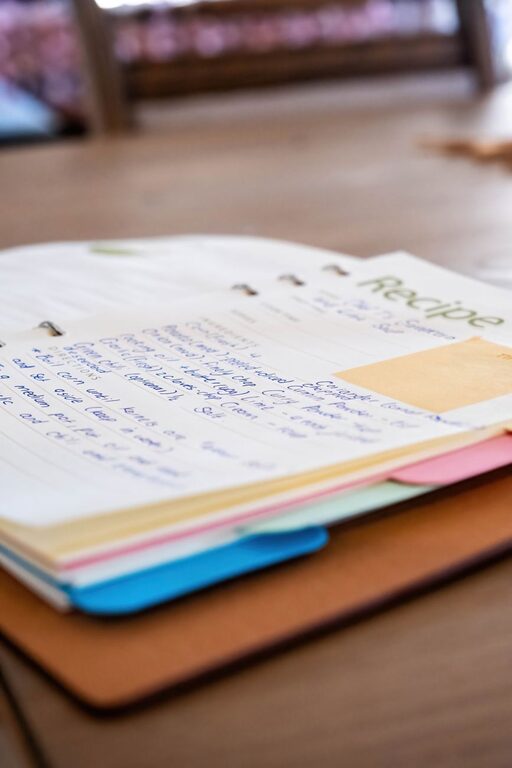
Unlike professionally written cookbooks, community collections often include personal notes and informal directions. A recipe may begin with “Bake until golden” or “Add enough flour to make a soft dough.” These instructions reflect a style of cooking based on experience rather than precise measurements.
That informality is part of their charm. It shows how knowledge was traditionally shared in homes and among neighbors.
The Role of Senior Women
In many communities, senior women have served as informal keepers of food traditions. They may remember which family prepared the best holiday bread, who made preserves each summer, or how a local celebration was organized around a shared meal.
Their contributions often include much more than submitting recipes. They may:
– Identify older recipes and their original sources
– Explain unfamiliar ingredients or cooking terms
– Share stories about when and why a dish was prepared
– Compare different versions of the same recipe
– Help verify names, dates, and community connections
– Teach younger cooks traditional kitchen skills
These women also understand the importance of context. A recipe for a casserole may tell the story of a neighborhood gathering. A handwritten pie recipe may be linked to a relative who brought it to every family reunion. Preserving the dish means preserving the memory attached to it.
From Handwritten Cards to Digital Archives
Earlier community cookbooks were often typed, photocopied, or printed in small batches. Today, local groups can use digital tools to make their projects easier to organize and share.
A modern cookbook project might include:
- Scanning handwritten recipe cards
- Recording interviews with longtime residents
- Photographing finished dishes and original documents
- Typing recipes into a searchable format
- Adding information about ingredients and serving sizes
- Printing a limited number of physical copies
- Creating a digital edition for libraries or community websites
Digitization helps protect fragile papers from damage or loss. It also allows recipes to reach former residents, relatives, researchers, and younger community members who may not own an original copy.
Still, many groups choose to produce a printed book as well. A physical cookbook can be passed around at family gatherings, displayed on a kitchen shelf, or given as a meaningful local gift.
Preserving Recipes Accurately
Traditional recipes can be difficult to document because they were often written from memory. Measurements may be missing, cooking temperatures may be unclear, and ingredient names may have changed over time.
A careful preservation project can make the process easier by asking contributors to provide:
– The recipe’s name
– The person who taught or shared it
– The approximate date or time period
– Common substitutions
– Typical serving occasions
– Preparation and cooking notes
– Any story connected to the dish
It is helpful to preserve the original wording while adding a modern version for clarity. For example, an old recipe might use a wood-burning stove, a different type of flour, or a measurement such as “a teacup.” Editors can include notes that explain how those details relate to current kitchens.
The goal is not to rewrite history. It is to make the recipe understandable while keeping its original character.
Building Connections Across Generations
Community cookbook projects create natural opportunities for older and younger residents to work together. A senior contributor may know how to prepare a traditional dish, while a younger volunteer may help with photography, design, editing, or online publishing.
This exchange benefits both sides. Younger participants gain practical knowledge and a stronger connection to local history. Older contributors gain new ways to share memories and skills.
Workshops can make this cooperation especially effective. A group might host an afternoon where participants:
– Bring a favorite family recipe
– Demonstrate part of the preparation process
– Record a short story about the dish
– Compare regional variations
– Photograph the finished food
– Add the recipe to a shared collection
These events turn preservation into an active experience rather than a task completed only on paper.
Beyond Food: Stories of Place
The best community cookbooks include stories that help readers understand where the recipes came from. A dish may be connected to a local farm, a neighborhood festival, an immigrant family, or a long-standing community organization.
Short introductions can explain:
– Why the recipe is important
– When it was traditionally served
– Who passed it down
– How ingredients were obtained
– What changes have been made over the years
These details give the cookbook a sense of place. They also help prevent local food traditions from becoming anonymous or disconnected from the people who created them.
A collection may even include sections about gardening, food preservation, kitchen tools, seasonal celebrations, or memories of shopping at local stores. Such additions turn a recipe book into a broader record of community life.
Starting a Community Cookbook Project
A successful project does not need to begin with a large organization. A small group of neighbors, a library, or a local historical society can start with a clear plan.
Useful first steps include:
- Choose a theme, such as holiday baking or regional dishes.
- Set a submission deadline and simple formatting rules.
- Invite recipes through community boards, newsletters, and local events.
- Ask contributors for stories and photographs.
- Create a small editorial team to review entries.
- Decide whether the final collection will be printed, digital, or both.
- Credit every contributor and request permission to publish materials.
It is also important to make the project welcoming. Not everyone has a polished written recipe, and some contributors may prefer to share their knowledge through conversation. Interviews and recorded demonstrations can help include people who might otherwise feel uncomfortable submitting written material.
Keeping the Tradition Moving Forward
The return of community cookbooks is not simply a nostalgic trend. It reflects a growing interest in local history, practical knowledge, and meaningful connections between generations.
Senior women are central to this movement because they often carry memories of recipes and cooking practices that are not found in commercial books. By sharing those memories, they help communities recognize the value of everyday knowledge.
A well-made community cookbook can sit on a kitchen counter, but its influence reaches much further. It preserves names, voices, celebrations, and techniques. It encourages neighbors to cook together and gives younger generations a way to understand the people and places that came before them.
In the end, each recipe becomes part of a larger story—one that continues to grow whenever someone prepares a familiar dish and shares it with someone new.