
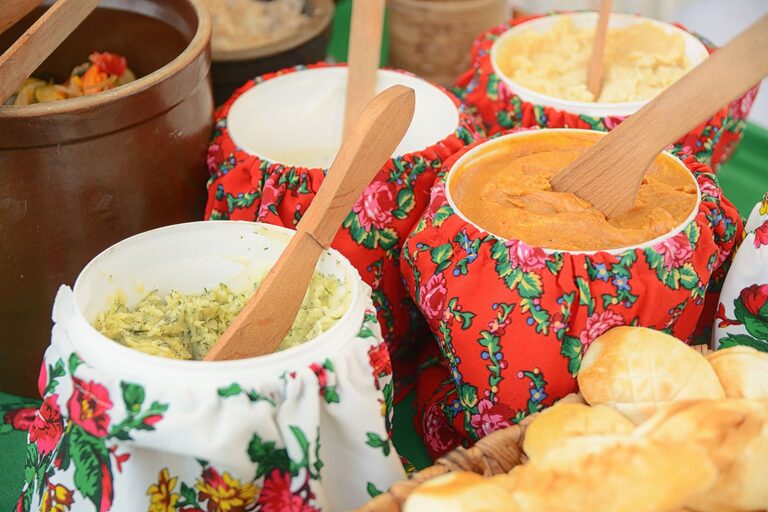
Local food festivals are more than places to sample delicious dishes. They are lively gatherings where farmers, chefs, home cooks, bakers, and food lovers share ideas and traditions. A single afternoon at a festival can introduce someone to an unfamiliar ingredient, a new cooking method, or a hobby they never expected to enjoy.
From making fresh pasta to growing herbs, these events encourage people to take their interest in food home. They make cooking feel approachable, social, and creative. For many visitors, the experience begins with a simple taste and grows into a lasting culinary hobby.
Why Food Festivals Spark Curiosity
Food festivals offer an easy way to explore new flavors without committing to a full meal or buying unfamiliar ingredients. Visitors can try small portions, ask questions, and watch demonstrations before deciding what interests them most.
This low-pressure environment makes experimentation feel natural. A person who has never tried fermented vegetables might sample a local version and become curious about making their own. Someone who enjoys a handmade dessert may want to learn more about baking techniques.
Festivals also provide direct access to people with practical knowledge. Vendors and presenters often explain:
– Where an ingredient comes from
– How it is prepared
– Which tools are useful
– What common mistakes to avoid
– How beginners can get started
These conversations can turn a passing interest into a clear first step.
Discovering Hands-On Cooking Skills
Many festivals include demonstrations and workshops that invite visitors to watch, participate, or practice. These activities help make culinary skills less intimidating, especially for beginners.
Baking and Pastry Making
Baking demonstrations often attract people who enjoy precise, creative projects. Festival visitors may learn how dough changes as it is mixed, how to shape bread, or how to decorate simple pastries.
After seeing a demonstration, beginners may start with approachable projects such as:
– Homemade muffins
– No-knead bread
– Seasonal fruit pies
– Simple cookies
– Fresh pizza dough
Baking can become a relaxing weekly hobby because it combines routine with room for creativity. Each attempt offers a chance to adjust flavors, textures, and presentation.
Fresh Pasta and Noodle Making
A pasta demonstration can make a restaurant favorite seem surprisingly achievable at home. Participants often learn how a few basic ingredients can become sheets, shapes, or noodles with the help of simple tools.
This hobby appeals to people who enjoy hands-on activities. Rolling, cutting, and shaping dough can be both practical and satisfying. Once the basic technique feels comfortable, home cooks can experiment with fillings, sauces, and different flours.
Pickling and Preserving
Local food festivals frequently highlight seasonal produce, which can inspire visitors to preserve food at home. Pickling, jam making, drying, and freezing help extend the life of fruits and vegetables while reducing waste.
Beginners may start with a small batch of refrigerator pickles or a simple fruit spread. Over time, they might develop a collection of favorite recipes and learn how to plan projects around the seasons.
Turning Local Ingredients Into New Hobbies
One of the strongest influences of a food festival is the connection to local ingredients. Seeing colorful produce, fresh herbs, specialty grains, or regional honey can encourage people to pay closer attention to what grows nearby.
This awareness can lead to several hobbies beyond everyday cooking.
Gardening and Herb Growing
A display of fresh basil, tomatoes, peppers, or flowers may inspire visitors to grow their own ingredients. Gardening does not require a large yard. Many herbs and compact vegetables can thrive in containers on a balcony, patio, or sunny windowsill.
Growing a few ingredients creates a direct link between the garden and the kitchen. It also encourages cooks to use food while it is fresh. A small pot of mint, rosemary, or chives can make everyday meals feel more personal.
Foraging Education
Some festivals offer educational talks about local plants, mushrooms, or edible flowers. These sessions can spark interest in the natural world, but beginners should approach this hobby carefully. Learning from qualified local experts is essential, and unfamiliar plants should never be eaten without reliable identification.
Even when visitors do not begin foraging themselves, they may gain a greater appreciation for seasonal ingredients and responsible food practices.
Farmers Market Shopping
A festival may motivate someone to visit a farmers market regularly. This can become a hobby in its own right, especially for people who enjoy planning meals around what looks best each week.
Regular market visits encourage cooks to:
– Try unfamiliar produce
– Talk with growers
– Follow seasonal availability
– Build flexible recipes
– Support nearby food producers
Cooking with seasonal ingredients can make meal planning more varied and spontaneous.
The Social Side of Culinary Hobbies
Food festivals show that cooking does not have to be a solitary activity. People often attend with friends or family, join group workshops, or meet others who share their interests.
This social atmosphere can make it easier to continue a new hobby. A person may be more likely to bake regularly when they can share the results with neighbors. A group of friends might schedule monthly cooking nights after attending a festival together.
Community connections can also lead to helpful exchanges, such as:
– Sharing starter recipes
– Swapping garden produce
– Comparing cooking tools
– Organizing themed meals
– Joining local classes or clubs
These activities transform a personal interest into a shared experience.
Finding Inspiration Without Feeling Overwhelmed
A festival can present dozens of exciting ideas, but trying everything at once may quickly become expensive or frustrating. A better approach is to choose one small project that feels realistic.
Consider asking yourself:
- Which demonstration held my attention?
- What ingredient did I enjoy most?
- Which activity fits my available time?
- What tools do I already own?
- Who could enjoy the finished result with me?
Starting with one manageable goal builds confidence. For example, a visitor might choose to make one loaf of bread, grow one herb, or prepare one seasonal dish. Success with a small project can provide motivation for the next step.
It is also helpful to keep notes. Write down favorite flavors, useful tips from vendors, and ideas for future meals. Photos of festival dishes can serve as visual reminders when planning a recipe at home.
Bringing the Festival Experience Home
The most lasting impact of a local food festival often comes after the event ends. A simple follow-up plan can turn inspiration into a regular habit.
Try these steps:
– Choose one recipe from the festival
– Purchase one new local ingredient
– Schedule time to practice
– Invite someone to join you
– Record what worked and what you would change
Over time, these small actions can develop into a rewarding culinary routine. The goal is not to create perfect dishes immediately. It is to stay curious, learn through practice, and enjoy the process.
A Taste That Leads to Something More
Local food festivals inspire culinary hobbies by making food personal, accessible, and fun. They connect people with ingredients, skilled makers, seasonal traditions, and one another. A tasting can lead to baking, gardening, preserving, pasta making, or a new appreciation for everyday meals.
The next time you attend a local festival, look beyond the food on your plate. Notice the techniques, stories, and possibilities around you. The most memorable discovery may be a hobby that continues long after the last booth has closed.