
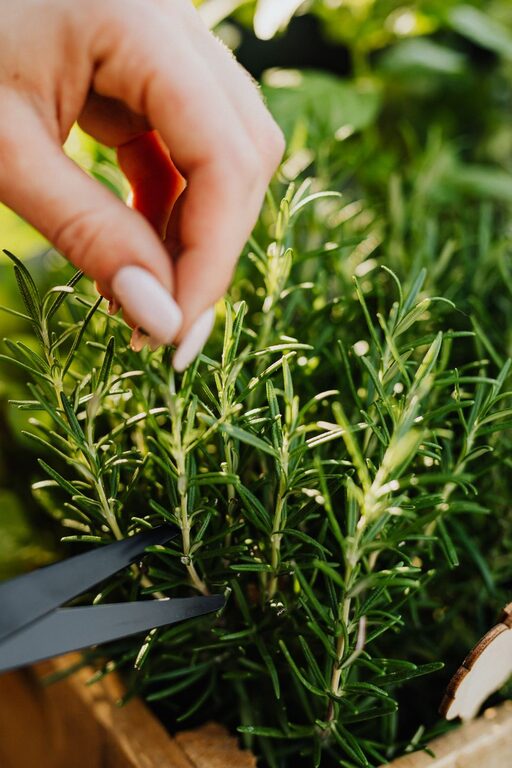
Bring Fresh Herbs From the Garden to the Table
Growing fresh herbs is one of the easiest ways to connect gardening with everyday cooking. A small container, sunny windowsill, or garden bed can provide flavorful ingredients for salads, soups, sauces, baked dishes, and drinks.
For women who enjoy growing food at home, herbs offer a practical and rewarding place to begin. They require less space than many vegetables, grow quickly, and can be harvested a little at a time. Whether you grow basil, parsley, mint, rosemary, thyme, chives, or cilantro, a few simple cooking ideas can help you use your harvest while it is at its freshest.
How to Harvest Herbs for Cooking
Harvesting herbs properly encourages healthy growth and helps preserve their flavor.
- Pick herbs in the morning after the dew has dried but before the sun becomes strong.
- Use clean kitchen scissors or garden snips to make neat cuts.
- Harvest leafy herbs before they flower for the best texture and flavor.
- Take only what you need, leaving enough foliage for the plant to continue growing.
- Rinse herbs gently under cool water and pat them dry before using.
Tender herbs, such as basil, cilantro, parsley, and mint, are usually best added near the end of cooking. Woody herbs, including rosemary, thyme, and sage, can be added earlier to infuse soups, roasts, and sauces.
Simple Herb-Based Sauces and Spreads
Fresh herbs can quickly turn basic ingredients into flavorful sauces and spreads. These recipes are flexible, so you can use whatever is growing in your garden.
Garden Herb Pesto
Traditional pesto often features basil, but a garden version can include parsley, cilantro, arugula, or tender spinach leaves.
Combine the following in a food processor:
- Two packed cups of fresh herbs or leafy greens
- One small garlic clove
- One-third cup of nuts or seeds
- One-half cup of grated Parmesan cheese, if desired
- One-half cup of olive oil
- A pinch of salt and a squeeze of lemon juice
Blend until smooth, adding more oil if needed. Toss the pesto with pasta, spread it on toast, spoon it over roasted vegetables, or use it as a sandwich spread. Store it in a covered container in the refrigerator and use it within a few days for the best quality.
Fresh Herb Yogurt Dip
For an easy dip, stir chopped parsley, mint, chives, or dill into plain yogurt. Add lemon zest, black pepper, and a small pinch of salt. This cool dip pairs well with sliced vegetables, roasted potatoes, grilled bread, or grain bowls.
Fresh Herbs for Breakfast and Lunch
Herbs can make everyday meals feel special without requiring complicated preparation.
Add chopped chives and parsley to scrambled eggs, omelets, or breakfast potatoes. Basil works well with tomatoes and soft cheese on toast. A few mint leaves can brighten a fruit salad, while cilantro adds freshness to beans, rice, and vegetable wraps.
For a quick garden lunch, try an herb and vegetable grain bowl:
- Start with cooked rice, quinoa, farro, or another grain.
- Add fresh or roasted vegetables.
- Top with chopped herbs, such as parsley, cilantro, or basil.
- Drizzle with olive oil and lemon juice.
- Finish with seeds, nuts, cheese, or beans.
This simple formula makes it easy to use small amounts of several herbs at once.
Garden-Fresh Herb Butter
Herb butter is an easy way to preserve the flavor of a larger harvest for short-term use. Soften a stick of unsalted butter, then mix in two to three tablespoons of finely chopped herbs. Parsley, chives, thyme, rosemary, sage, and basil all work well.
Add lemon zest, garlic, or cracked black pepper if you like. Shape the butter into a small log using parchment paper, refrigerate it until firm, and slice off pieces as needed. Use herb butter on warm bread, corn, vegetables, baked potatoes, fish, or cooked grains.
For longer storage, wrap the butter tightly and freeze it. Label the package with the herb mixture and date.
Soups, Roasted Vegetables, and One-Pan Meals
Herbs are especially useful in simple one-pot and one-pan recipes. They add depth without requiring a long ingredient list.
- Add thyme or rosemary to roasted carrots, potatoes, squash, or mushrooms.
- Stir parsley into lentil, bean, or vegetable soup just before serving.
- Use sage with roasted winter squash or browned butter.
- Add cilantro to black bean soup, rice dishes, or roasted corn.
- Sprinkle chopped chives over baked potatoes, soups, and creamy vegetables.
When making a soup, add sturdy herbs such as thyme or rosemary early in the cooking process. Remove woody stems before serving. Add delicate herbs during the final minutes so their color and flavor remain fresh.
Refreshing Herb Drinks
Many herbs can be used in simple nonalcoholic drinks. Mint, basil, lemon balm, and rosemary are good choices.
For a garden-infused water, add a handful of lightly bruised mint leaves and slices of lemon or cucumber to a pitcher of cold water. Chill for at least 30 minutes before serving.
You can also make an easy herb syrup by gently heating equal parts sugar and water until the sugar dissolves. Remove the mixture from the heat, add a handful of mint or basil, and let it steep until cool. Strain and use the syrup in lemonade, iced tea, sparkling water, or fruit salads.
Ways to Preserve a Larger Herb Harvest
When the garden produces more herbs than you can use right away, preservation helps reduce waste.
- Air-drying: Tie small bundles of rosemary, thyme, or sage and hang them in a dry, well-ventilated place.
- Freezing: Chop herbs and freeze them in small portions, either in freezer bags or in ice cube trays with water or olive oil.
- Herb salt: Mix finely chopped dry herbs with coarse salt and store the mixture in a sealed jar.
- Flavored vinegar: Add clean herbs to vinegar and allow the flavor to develop before straining and using it in dressings.
Make sure herbs are clean and thoroughly dry before storing. Label preserved herbs with the variety and date so they are easy to identify later.
Make Herb Cooking Part of Your Routine
The best garden-to-table recipes are often the simplest. Keep a pair of scissors near the garden, wash herbs as soon as you bring them indoors, and place frequently used varieties where they are easy to see. A weekly herb harvest can become part of meal planning: basil for pasta, parsley for soup, mint for drinks, and rosemary for roasted vegetables.
Growing herbs gives everyday cooking a personal touch. With a few dependable recipes and simple preservation methods, even a small harvest can add color, freshness, and variety to meals throughout the growing season.