
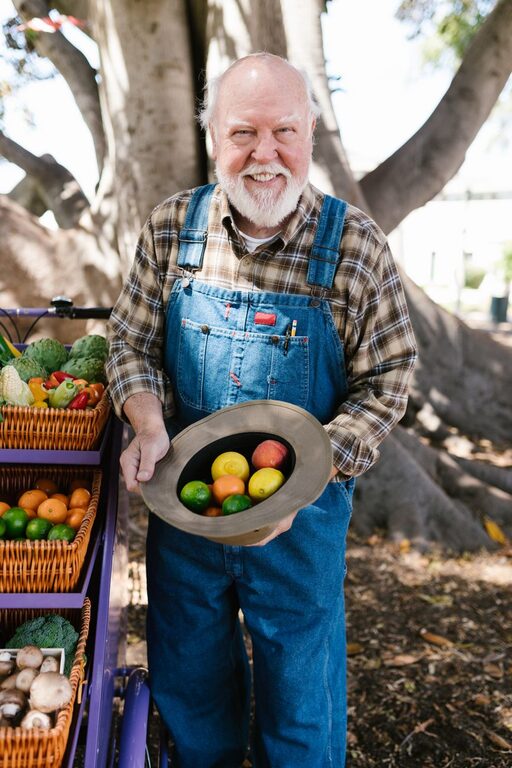
A visit to the farmers market can turn an ordinary meal into something special. Colorful vegetables, fragrant herbs, fresh fruit, local eggs, and handmade breads offer inspiration for simple dishes that feel both familiar and new.
For home cooks over 65, farmers markets can also be a pleasant way to stay connected with local growers and discover ingredients that make everyday cooking more enjoyable. The best recipes do not need complicated techniques or long ingredient lists. Often, a few fresh items are all you need.
Start With What Looks Best
Seasonal produce is usually at its freshest when it arrives at the market. Instead of shopping for one specific recipe, begin by looking around the stalls and noticing what looks appealing.
Ask vendors simple questions such as:
– What is especially fresh today?
– How should this item be stored?
– What is an easy way to prepare it?
– How long will it keep?
– Is it best eaten raw, roasted, sautéed, or grilled?
A flexible approach can make shopping easier. Choose one or two main vegetables, a fruit, a fresh herb, and a pantry staple you already have at home. This combination can become a salad, soup, side dish, or light main meal.
Spring Finds and Fresh Ideas
Spring markets often feature tender greens, radishes, peas, asparagus, strawberries, and green onions. These ingredients are bright, fresh, and quick to prepare.
Asparagus and Lemon Pasta
This simple dish uses asparagus while it is still crisp and tender.
Ingredients:
– Fresh asparagus, cut into short pieces
– Pasta of your choice
– Olive oil or butter
– Lemon zest and juice
– Grated cheese, optional
– Salt and pepper
Cook the pasta according to the package directions. Add the asparagus during the last few minutes so it becomes tender without losing its color. Drain, then toss everything with olive oil or butter, lemon, and a little cheese if desired.
For extra flavor, add chopped parsley or green onions from the market. The dish can be served warm or enjoyed at room temperature.
Strawberry and Spinach Salad
Fresh strawberries pair well with tender greens. Add toasted nuts, sliced cucumber, or a small amount of crumbled cheese. For a simple dressing, whisk together olive oil, a little vinegar, and a touch of honey.
This salad works well as a light lunch or as a side dish with roasted chicken, fish, or a sandwich.
Summer Market Baskets
Summer markets are often filled with tomatoes, zucchini, corn, peppers, cucumbers, peaches, berries, and fresh basil. These ingredients are ideal for meals that require little cooking.
Farmers Market Tomato and Corn Salad
Cut ripe tomatoes into bite-sized pieces and add fresh corn cut from the cob. Stir in chopped basil, sliced green onions, olive oil, and a small splash of vinegar.
Let the salad rest for a few minutes before serving. The tomatoes will release some juice, creating a natural dressing. Serve it with crusty bread, grilled vegetables, or a simple egg dish.
If you have leftovers, spoon the mixture over toast for an easy lunch the next day.
One Pan Summer Vegetables
Combine sliced zucchini, bell peppers, onions, and cherry tomatoes on a baking sheet. Add olive oil, salt, pepper, and dried herbs. Roast until the vegetables are tender and lightly browned.
This recipe is easy to adjust. Add cooked beans, leftover rice, or a little shredded cheese after roasting. Using one pan also makes cleanup more manageable.
Autumn Comfort From the Market
Fall brings apples, pears, pumpkins, winter squash, carrots, potatoes, cabbage, and hearty greens. These foods are perfect for warm, comforting meals.
Roasted Squash and Apple Bowl
Peel and cube a winter squash, then place it on a baking sheet with sliced apples and onions. Toss with olive oil, salt, pepper, and a pinch of cinnamon or dried sage. Roast until soft and golden.
Serve the mixture over cooked grains such as rice, barley, or quinoa. Add toasted seeds or chopped fresh herbs for texture and flavor.
This recipe can be prepared ahead of time and gently reheated. It is also a useful way to enjoy small amounts of several market finds in one dish.
Simple Cabbage and Potato Soup
For a straightforward soup, cook chopped onion and carrots in a pot with a little oil. Add sliced cabbage, diced potatoes, broth, and herbs. Simmer until the vegetables are tender.
You can add beans or leftover cooked meat if you like. A slice of fresh market bread makes the soup a satisfying meal.
Winter Market Staples
Winter markets may offer stored apples and potatoes, onions, carrots, beets, cabbage, greens, eggs, baked goods, and preserved foods. These ingredients can help create hearty dishes when fresh summer produce is less available.
Carrot and Apple Slaw
Grate carrots and a crisp apple. Mix them with chopped parsley and a dressing made from yogurt or mayonnaise, lemon juice, and a small amount of mustard.
This slaw is colorful and refreshing beside baked potatoes, sandwiches, or roasted vegetables. It can also be made several hours ahead, allowing the flavors to blend.
Baked Potatoes With Market Toppings
A baked potato can become a complete and flexible meal. Top it with sautéed greens, steamed broccoli, beans, cottage cheese, shredded cheese, or leftover roasted vegetables.
For a different flavor, add fresh herbs, salsa, or a spoonful of plain yogurt. Choosing toppings from the market keeps this familiar dish interesting.
Make Shopping Easier
A few simple habits can make market trips more comfortable and productive.
Bring a Short List
Write down two or three meal ideas before leaving home, but leave room for unexpected finds. A short list helps prevent buying more than you can use.
Choose Manageable Amounts
If you cook for one or two people, ask whether vendors sell smaller portions. Many farmers are happy to provide a small bunch of herbs, a few tomatoes, or a half-dozen ears of corn.
Plan for Storage
Bring a reusable bag that is easy to carry. At home, remove ties from leafy greens, store delicate berries in the refrigerator, and keep tomatoes at room temperature until they are ripe.
Use the most delicate foods first. Firm vegetables, apples, and winter squash usually last longer.
Keep Recipes Flexible
Farmers market cooking is less about following a recipe exactly and more about learning how ingredients work together. A vegetable can be roasted instead of steamed. An herb can replace another herb. A soup can welcome extra carrots, beans, or greens.
Try keeping a few basic ingredients on hand:
– Olive oil or butter
– Rice, pasta, or grains
– Canned beans
– Eggs
– Broth
– Vinegar or lemons
– Garlic and dried herbs
With these staples, fresh market ingredients can quickly become breakfast, lunch, dinner, or a snack.
Enjoy the Process
Cooking with seasonal foods can be a rewarding routine at any age. A market visit offers a chance to explore new flavors, support local growers, and bring variety to familiar meals.
The next time you visit, choose one ingredient you have never prepared before. Ask the vendor for an easy suggestion, then keep the recipe simple. A small discovery, such as a new squash or a fragrant bunch of basil, may become the starting point for a favorite homemade dish.