Why Tea Blending Makes a Great Home Hobby
Tea blending is a simple culinary hobby that combines creativity, taste, and a slower pace. With a few dried ingredients and a little curiosity, you can create custom blends for different times of day, seasons, or moods.
Unlike more complicated kitchen projects, tea blending does not require special equipment. A bowl, spoon, storage jars, and a way to measure ingredients are usually enough to get started. The process is also easy to pause, repeat, and adjust as you learn more about your preferences.
Blending tea can become a relaxing ritual. Choosing ingredients, smelling their aromas, and preparing a warm cup encourages you to focus on small details. It is a rewarding activity for quiet afternoons, weekend projects, or thoughtful homemade gifts.
Start With a Simple Tea Blending Station
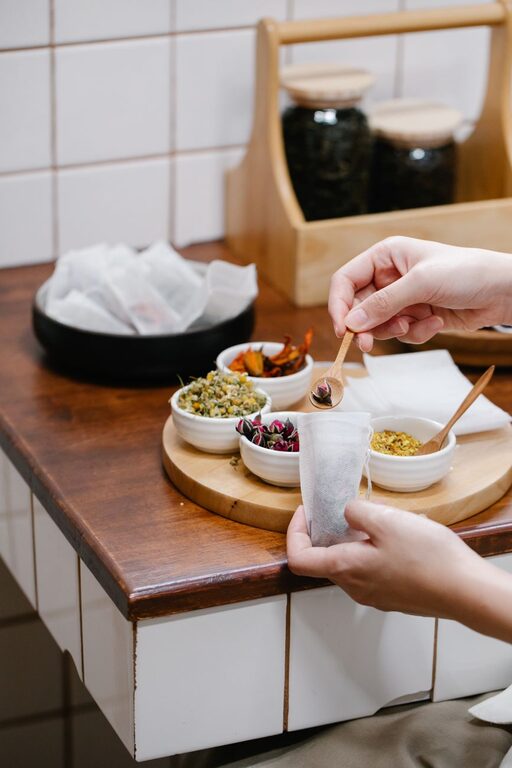
A dedicated blending area helps keep the process organized. You do not need a large workspace. A small section of a kitchen counter or pantry shelf can work well.
Gather these basic supplies:
– Small mixing bowls
– Measuring spoons
– A kitchen scale, if available
– Airtight glass jars or tins
– Labels and a pen
– A fine mesh strainer or tea infuser
– A kettle
– A notebook for recording recipes
Choose clean, dry containers with secure lids. Light and moisture can affect the flavor and freshness of dried ingredients, so store your blends in a cool, dark place.
Labels are especially useful when experimenting. Write down the blend name, ingredients, proportions, and date. This makes it easier to recreate a successful recipe or adjust one that needs improvement.
Choose a Base Tea
The base tea provides the main flavor and character of a blend. Begin with one base rather than combining several at once. This makes it easier to understand how each ingredient contributes to the final cup.
Popular base options include:
Black Tea
Black tea has a bold, rich flavor that pairs well with spices, citrus peel, dried fruit, and warming ingredients. It can support stronger additions without becoming overwhelmed.
Green Tea
Green tea offers a lighter, fresher taste. It works well with floral ingredients, mint, lemongrass, and mild fruit flavors. Because it has a delicate character, use bold additions sparingly.
Oolong Tea
Oolong tea can range from floral and creamy to roasted and nutty. It is a flexible choice for blends that sit between green and black tea in flavor.
White Tea
White tea is subtle and smooth. It pairs best with gentle ingredients, such as rose petals, dried apple, or soft floral notes.
Herbal Base
Herbal blends do not contain traditional tea leaves. Instead, they may use ingredients such as peppermint, rooibos, chamomile, hibiscus, or lemon verbena. Herbal bases offer many flavor possibilities and are often naturally caffeine free, depending on the ingredients used.
When purchasing ingredients, select products intended for food and beverages. Avoid using flowers, leaves, or herbs from a garden unless you are certain they are suitable for consumption and have been grown without unsafe treatments.
Build a Balanced Blend
A balanced tea blend usually includes three types of ingredients:
- **Base:** The main tea or herbal ingredient
- **Supporting flavors:** Ingredients that add depth or character
- **Accent flavors:** Small amounts of bright, sweet, spicy, or floral ingredients
A useful starting ratio is:
– Two parts base
– One part supporting ingredient
– One-half part accent ingredient
For example, you might combine two teaspoons of black tea with one teaspoon of dried apple and one-half teaspoon of cinnamon pieces. This is only a starting point. Taste and aroma are personal, so adjust the proportions as you experiment.
Try to avoid adding too many ingredients at once. Three or four well-matched ingredients are often easier to appreciate than a blend containing ten different flavors.
Explore Flavor Families
Thinking in flavor families can make recipe development easier. Start with combinations you already enjoy in cooking or baking.
Bright and Fresh
Try green tea with dried lemon peel, lemongrass, and a small amount of mint. This combination creates a crisp, refreshing cup.
Floral and Soft
White tea can be paired with rose petals, lavender, or dried chamomile. Use floral ingredients lightly, since their aromas can quickly become dominant.
Warm and Spiced
Black tea works well with cinnamon, cardamom, ginger pieces, and orange peel. Add spices gradually to keep the flavor rounded rather than sharp.
Fruity and Sweet
Rooibos or black tea can be blended with dried apple, berries, peach pieces, or hibiscus. Fruit ingredients often add aroma, color, and a gentle tang.
Earthy and Comforting
Roasted barley, rooibos, cacao nibs, and toasted coconut can create a deep, comforting blend. These ingredients are especially inviting during cooler seasons.
Test Small Batches
Small batches help reduce waste and make experimentation more enjoyable. Begin with one or two tablespoons of total ingredients. Mix them in a bowl, then brew a small cup before making more.
Use the same brewing method when comparing blends. Keep the water amount, steeping time, and ingredient quantity consistent. Otherwise, it may be difficult to tell whether a change in the recipe or preparation created the difference.
After tasting, write down a few observations:
– Is the flavor too strong or too weak?
– Is one ingredient overpowering the others?
– Does the aroma match the taste?
– Is the blend too bitter, sour, sweet, or spicy?
– Would more base tea improve the balance?
Make only one change at a time. If you add more citrus, for example, keep the other ingredients the same. This simple approach helps you understand how each adjustment affects the cup.
Use Brewing Details to Shape the Experience
The same blend can taste different depending on how it is brewed. Water temperature, steeping time, and ingredient size all influence the result.
Delicate teas generally benefit from cooler water and shorter steeping times. Stronger black teas and many herbal blends can usually handle hotter water and longer brewing. Follow the instructions provided with your base tea, then adjust based on taste.
A fine mesh infuser works well for loose leaves and small ingredients. Larger pieces, such as cinnamon chips or dried fruit, may need a roomy infuser so the ingredients can expand and circulate.
If a cup tastes bitter, try using cooler water or a shorter steep. If it tastes weak, add more tea or extend the brewing time slightly.
Create Seasonal Blends
Seasonal blending keeps the hobby fresh throughout the year. In spring, experiment with floral and citrus combinations. Summer blends can feature mint, hibiscus, and dried fruit. Autumn is a good time for apple, cinnamon, ginger, and roasted flavors. Winter blends may include orange peel, cacao nibs, cardamom, or warming spices.
You can also name blends according to their colors, aromas, or ingredients. Creative names such as Orchard Cup, Garden Mint, or Toasted Citrus make homemade blends feel more personal.
Share Your Blends Thoughtfully
Tea blends make appealing homemade gifts. Place a small amount in a clean, airtight jar and add a label with the ingredients and brewing instructions. Include a note about the best serving style, such as plain, lightly sweetened, or served over ice.
For thoughtful sharing, mention any ingredients that may be important to the recipient. Clearly listing the contents is a simple and considerate step.
Most importantly, keep the process relaxed. Tea blending is not about creating a perfect recipe immediately. It is about noticing flavors, trying new combinations, and enjoying a small creative practice at home. With a few ingredients and a willingness to experiment, each cup can become part of a calm and satisfying daily ritual.