Why Create a Heritage Cookbook?
A family cookbook is more than a collection of recipes. It is a record of the people, places, traditions, and everyday moments that shaped a family over time. A handwritten recipe card may preserve the ingredients for a favorite dish, but the story behind that dish can make it truly memorable.
Heritage recipe projects bring these details together in one lasting keepsake. They can include recipes from several generations, notes about family celebrations, photographs of kitchens and gatherings, and memories connected to particular foods.
Creating a cookbook does not require professional writing or design skills. With a clear plan and a thoughtful approach, anyone can turn scattered recipes and family stories into a book that future generations can read, use, and add to.
Start With a Clear Vision
Before gathering materials, decide what you want the cookbook to become. A focused idea will make the project easier to organize.
Consider these questions:
– Will the book cover one side of the family or several?
– Will it focus on everyday meals, holiday dishes, baking, or a specific region?
– Do you want a small keepsake or a detailed family history?
– Will the finished book be printed, shared digitally, or both?
– Who will contribute recipes, stories, photographs, or research?
Some cookbooks are organized by meal type, such as breakfasts, soups, main dishes, and desserts. Others follow a family timeline, beginning with older generations and moving toward the present. You might also organize the book around locations, celebrations, or family branches.
The best structure is the one that makes the material easy to find and meaningful to read.
Gather Recipes and Family Stories
Begin by collecting recipes in every available format. Look through recipe boxes, notebooks, binders, community cookbooks, emails, text messages, and old cards tucked into drawers. Ask relatives whether they have recipes stored in less obvious places.
As you gather material, record the source of each recipe. Note who shared it, where it came from, and whether it has been changed over time.
A recipe becomes more engaging when paired with context. Ask family members questions such as:
– Who usually prepared this dish?
– When was it served?
– Was it connected to a holiday or special event?
– Where did the recipe come from?
– Did anyone make changes to the original?
– What memories come to mind when you think of it?
– Are there kitchen traditions associated with the recipe?
Short answers can become valuable introductions. For example, a simple cookie recipe might be preceded by a memory of children decorating cookies at a grandparent’s kitchen table. These details help readers understand the role food played in family life.
Preserve the Original Character
Heritage cookbooks work best when they balance clarity with authenticity. Keep the original voice and appearance of handwritten recipes whenever possible, even if you also create a typed version.
Consider including:
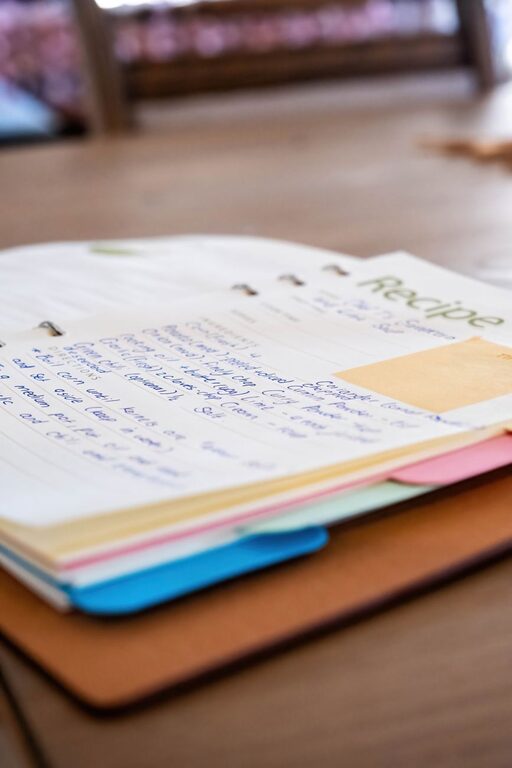
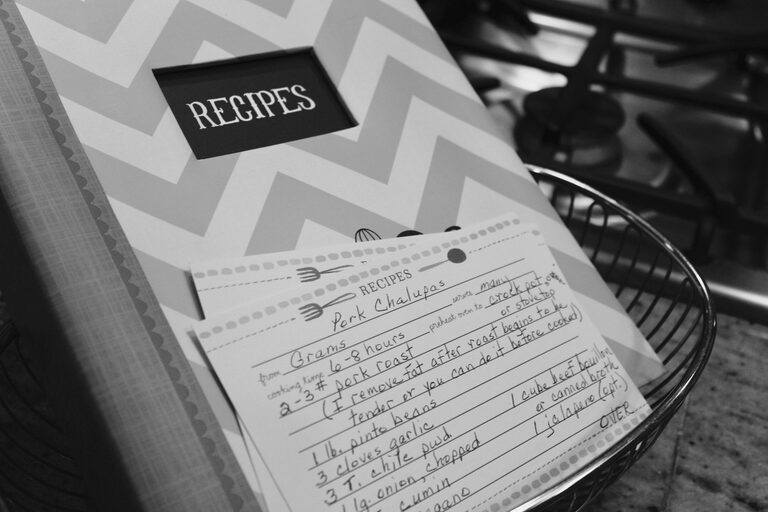
– Scans or photographs of original recipe cards
– Handwritten notes in the margins
– Original spelling or phrasing, with clarification when needed
– Family photographs connected to the recipe
– Captions naming people, places, and approximate dates
– Short introductions from the person who contributed the recipe
A typed recipe is easier to read, especially when handwriting has faded. An image of the original card, however, adds personality and a sense of connection. Including both versions gives readers practical instructions and a direct link to the past.
Test and Clarify Each Recipe
Older recipes often assume that the cook already understands certain techniques. Measurements may be vague, oven temperatures may be missing, and cooking times may depend on personal judgment.
Before publishing, test recipes when possible. Record useful details such as:
– Exact ingredient amounts
– Pan size and type
– Cooking temperature
– Approximate preparation and baking times
– Number of servings
– Helpful substitutions
– Signs that the dish is finished
If a recipe calls for “a handful” or “enough flour,” ask the original cook what that means or test the recipe several times. You can preserve the original wording in a note while adding modern guidance.
Avoid changing a recipe so much that it loses its identity. The goal is to make it usable without removing the character that makes it special.
Build a Simple Editorial Plan
Once you have gathered the material, create a list of all recipes, stories, images, and contributors. This will help you spot gaps and avoid losing important information.
A basic editorial plan might include:
- A short introduction to the family or project
- A section on kitchen traditions
- Recipes organized by category or generation
- Stories placed before or after related recipes
- A photograph section or family timeline
- An index of recipes
- A contributor list or family tree
Keep the tone consistent throughout the book. Some entries may be formal, while others may sound conversational. That variety can be appealing, but light editing may help the book feel connected.
When editing family stories, focus on clarity rather than perfection. Preserve distinctive expressions and personal details while correcting errors that could make the text difficult to understand.
Add Meaningful Visual Details
Photos and design elements can turn a recipe collection into a richer family record. You do not need professional images. Clear photographs of recipe cards, dishes, kitchens, utensils, gardens, and gatherings can all contribute to the story.
Useful visual materials include:
– Family portraits
– Images of completed dishes
– Photos of handwritten recipes
– Pictures of homes, farms, or neighborhoods
– Scans of menus, invitations, or newspaper clippings
– Simple maps showing family locations
Always label photographs as accurately as possible. Include names, dates, locations, and a brief description. If some details are uncertain, use wording such as “around 1975” or “possibly taken in the family kitchen.”
A clean, readable design is usually more effective than an elaborate one. Use consistent headings, comfortable spacing, and a font that is easy to read in print.
Choose a Format for the Finished Book
There are several ways to share a heritage cookbook. The right choice depends on your budget, audience, and long-term goals.
A printed book is ideal for family gatherings and gifts. Short-run printing services allow you to produce a small number of copies without ordering hundreds. A digital version is easy to share with relatives in different locations and can be updated later.
You might also create a two-part collection:
– A polished printed edition for family members
– A digital archive containing additional photographs, interviews, and original documents
Keep copies of all source files, scanned images, and edited recipes in more than one location. A well-organized digital archive makes it easier to correct errors or create a new edition in the future.
Make It a Continuing Family Project
A heritage cookbook does not have to be completed in one season. Treat it as a living project that can grow over time. Invite younger family members to contribute modern recipes, interview older relatives, or help scan photographs.
You can also leave space for future additions, such as new family traditions, notes from people who cook the recipes, or photographs of shared meals.
The finished cookbook may be polished, but its greatest value comes from the connections it preserves. Every recipe can serve as a doorway to a person, place, or moment. By collecting food memories with care, you create a practical book that also tells a lasting family story.